Hiring a landscaping service is one of those decisions that shows up on your property every day. Good work boosts curb appeal, reduces weekend chores, and protects the long-term health of your yard. Poor planning leads to half-finished projects, surprise invoices, and mismatched expectations. Budgeting is how you stay in control. When you understand what drives pricing for landscape design services, lawn care, garden landscaping, and ongoing landscape maintenance services, you can prioritize with clarity and spend where it matters.
I have sat at plenty of kitchen tables sliding proposals back and forth, explaining line items that look like alphabet soup. Crew labor, material markup, equipment minimums, mobilization, disposal, permits, seasonal timing, irrigation audits, plant warranties, soil amendments, and so on. Those are not junk fees. They reflect real costs and risks a landscaping company manages so your property looks the way you imagined. This guide unpacks those costs, shows what typical ranges look like, and offers practical ways to build a budget that fits your goals.
The core cost drivers in landscaping
Three variables account for most of the price: labor, materials, and site conditions, with seasonality and overhead rounding out the picture.
Labor is the biggest driver. Landscaping is skilled, time-based work. Regional wages set the baseline. Crew composition matters too. A two-person crew for mowing costs less per hour than a four-person crew installing pavers. Specialized skills, such as irrigation repair or stonework, command higher rates. Time on site includes more than the visible work. Load-in, layout, cleanup, and travel all add minutes. When a landscaping company prices a job, they estimate hours by task, apply hourly burden that covers wages, payroll taxes, insurance, and small tools, then add a margin to keep the doors open.
Materials vary by quality and distance. A pallet of mid-grade concrete pavers might run 3 to 6 dollars per square foot, while natural stone can leap to 10 to 25 dollars per square foot before installation. Plants range widely. A one-gallon shrub might be 8 to 18 dollars, a 15-gallon tree 150 to 350 dollars, and a specimen tree can reach four figures. Quality soil, compost, mulch, edging, base rock, and drainage components often cost more than homeowners expect, but that investment prevents failures like heaving pavers or root rot.
Site conditions dictate the hidden labor. Access is a classic cost multiplier. If the crew can wheel materials straight in from the driveway, production flies. If they must shuttle everything through a 36-inch gate and protect delicate surfaces with plywood, progress slows. Slope, compacted clay soils, buried debris, tree roots, and irrigation spaghetti all add time and sometimes equipment. On small sites, staging constraints mean extra trips. On large rural sites, hauling distance and crew travel add hours.
Seasonality changes both price and availability. Spring and early summer are peak for installations in many regions. Crews are booked, vendors are slammed, and overtime creeps in. If your project can wait until late summer or early fall, you may see more flexible scheduling and better plant availability in cooler climates. Lawn care and routine landscape maintenance services tend to hold steady, but aeration and seasonal cleanups spike in spring and fall.
Overhead is the quiet line item you rarely see listed, but it matters. Insurance, licensing, vehicles, fuel, equipment maintenance, shop rent, software, and training are all baked into pricing. A legitimate landscaping company paying living wages and carrying proper insurance will be more expensive than a cash-only operation. That difference buys reliability, safety, and recourse if something goes wrong.
Typical budget ranges by service type
Numbers vary by region, property size, and finish level. Use the ranges here as ballpark anchors, then adjust for your local market and site conditions.
Landscape design services. For a full concept plan with hardscape layouts, planting palettes, lighting and irrigation schematics, and material specifications, expect 1,500 to 6,000 dollars for typical residential lots. Complex sites, steep slopes, or permit-heavy jurisdictions can push design fees up to 8,000 to 15,000 dollars. Some firms offer a phased approach: a master plan first, then detailed construction drawings for selected areas.
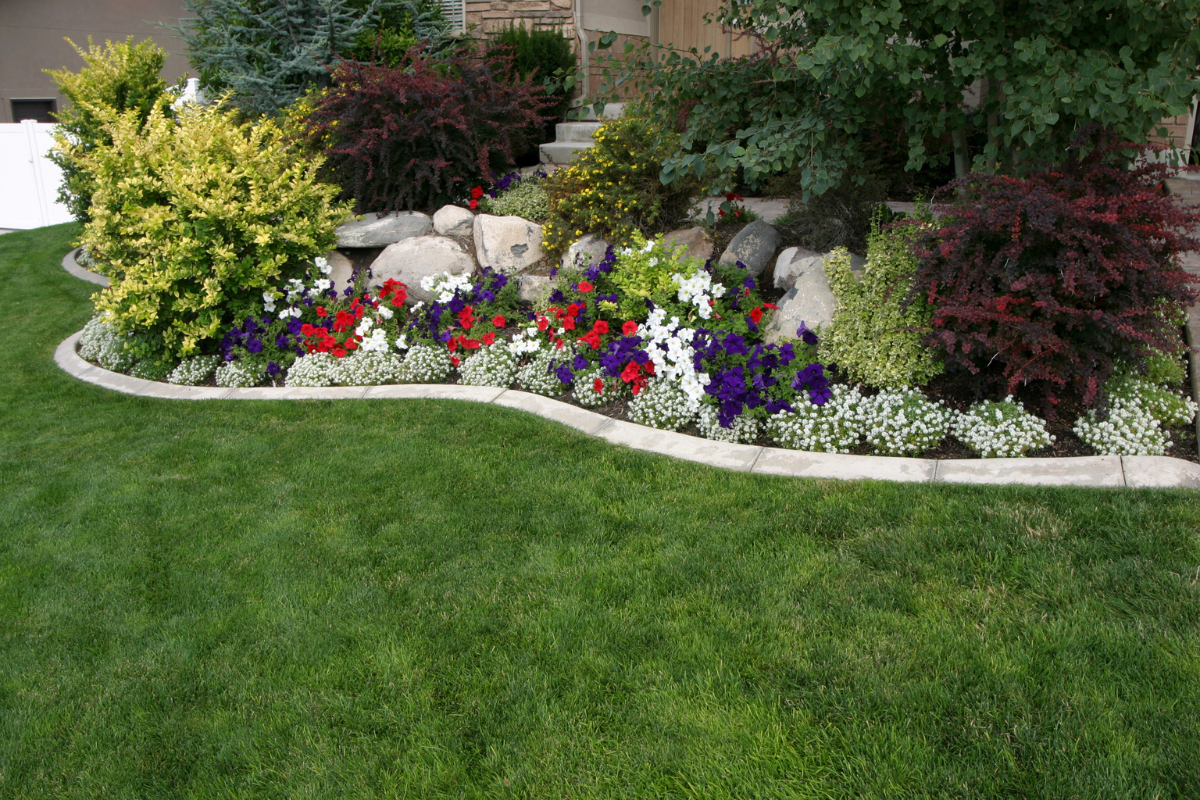
Planting and garden landscaping. Updating beds with shrubs, perennials, groundcovers, mulch, and edging often lands between 8 and 25 dollars per square foot installed, depending on plant size, density, and soil preparation. A simple front bed refresh might run 2,000 to 6,000 dollars. A larger, curated garden with boulders, steel edging, drip irrigation, and amended soil might span 10,000 to 40,000 dollars.
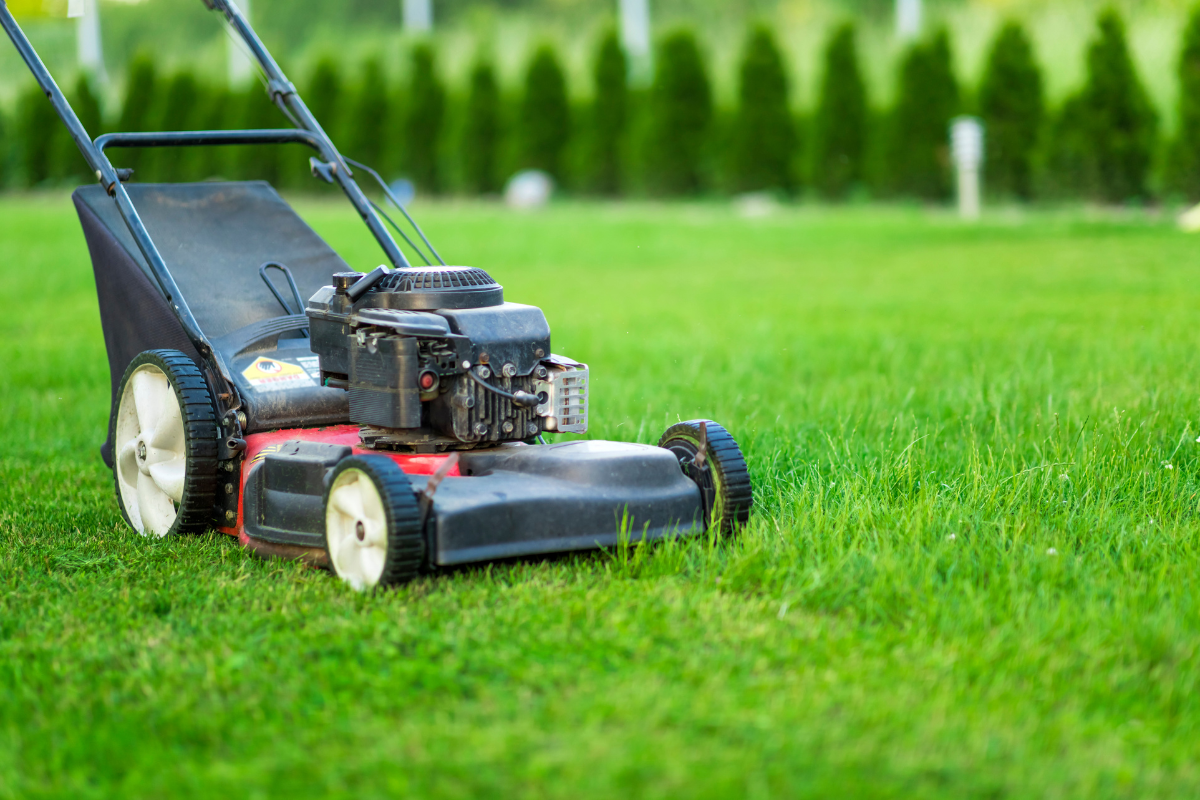
Lawn care. For routine mowing, edging, and blowing, a quarter-acre suburban lawn might cost 40 to 90 dollars per visit in many markets, with weekly https://www.google.com/search?kgmid=/g/1tl9nd73 service over a 26 to 34 visit season. Fertilization, weed control, and overseeding packages commonly range 300 to 800 dollars per year for cool-season turf. Aeration adds 80 to 200 dollars per service. If you are re-sodding, factor 1.50 to 3.50 dollars per square foot installed, including soil prep and disposal of old turf.
Hardscapes. Concrete patios often land around 10 to 25 dollars per square foot, higher for color and stamping. Paver patios typically run 18 to 40 dollars per square foot for standard material and layout, with premium pavers or intricate patterns bumping that up. Retaining walls vary widely by height and material but often fall in the range of 40 to 120 dollars per face square foot. Steps, seat walls, and custom features add complexity and cost.
Irrigation. A new automatic system for a standard residential yard might cost 3,000 to 7,500 dollars, scaled by zone count and the need for boring under driveways or tying into municipal water. Repairs are labor-based, with service calls usually starting around 95 to 175 dollars plus materials. Smart controllers add 150 to 400 dollars, often repaid in water savings over a couple seasons.
Drainage. Surface drains, French drains, and downspout tie-ins are not glamorous, but they prevent flooded basements and failing patios. Small drainage projects often start at 2,000 to 4,000 dollars. A more extensive system with catch basins, piping, and gravel trenches can reach 8,000 to 20,000 dollars depending on length, depth, and restoration.
Lighting. Low-voltage landscape lighting typically costs 250 to 450 dollars per fixture installed, which includes the transformer, wire runs, connections, and basic programming. A simple 6 to 8 light system that highlights a front entry and a couple of trees might be 2,000 to 4,000 dollars. Larger systems with path, accent, and wall lighting can run 6,000 to 15,000 dollars.
Tree work. A straightforward pruning visit might be 350 to 1,200 dollars. Removals range from 800 to 3,500 dollars for typical residential trees, and more for large or hazardous specimens. Stump grinding is often billed separately at 10 to 20 dollars per inch of diameter.
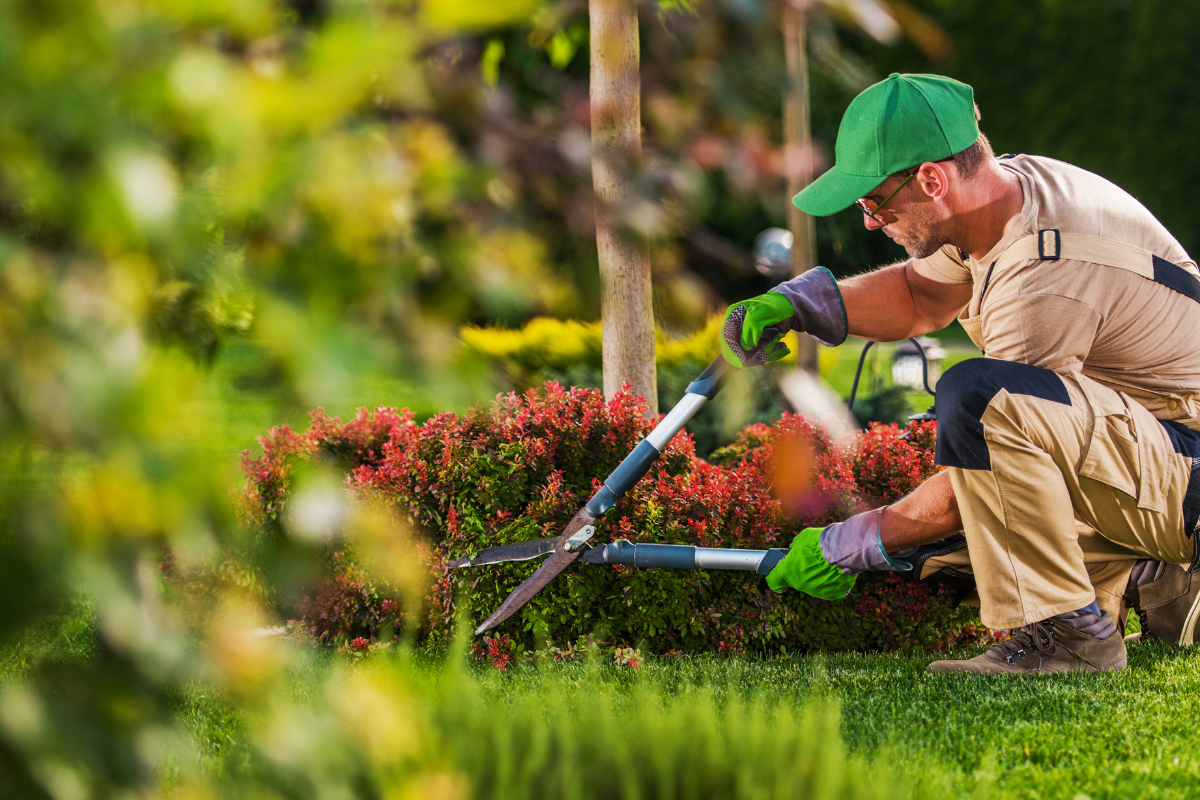
Ongoing landscape maintenance services. Full-service maintenance, including lawn care, bed weeding, pruning, fertilization, seasonal color, irrigation monitoring, and seasonal cleanups, is often priced monthly. For a modest suburban property, 250 to 600 dollars per month is common. Larger or highly planted properties can see 800 to 2,000 dollars per month. Contract terms usually span 9 to 12 months.
These ranges are starting points. A tidy, flat lot with good access will land at the low end; tight access, complex soils, or premium materials push toward the high end.
How proposals are built and where to spot value
If you have ever received two bids that differ by 40 percent, you know price alone does not tell the story. Look for detail. A solid proposal breaks out scope, quantities, and specs in ways you can verify.
I like to see plants listed by botanical and common name, size, and quantity. That detail lets you check the nursery spec and prevents substitutions without approval. For hardscapes, look for base depth, compaction requirements, polymeric sand or mortar details, and drainage provisions. The devil is almost always at or below grade. On irrigation, zone count, head types, and controller brand should be specified. On lighting, fixture make and model, lamp type, wattage, and transformer capacity matter.
Warranty is a proxy for confidence. A one-year plant warranty is standard when the landscaping service controls the irrigation. If you decline recommended irrigation upgrades, expect a limited warranty or none on plant survival. Hardscape warranties vary, but five years on workmanship is a strong sign of a company that follows standards. Ask what voids a warranty. If heavy equipment traffic or homeowner irrigation changes are common failure points, get those conditions spelled out.
When a bid is low, trace where costs are trimmed. Thinner base prep, undersized drainage, smaller plant material, and light crew allocation are the usual suspects. Those reductions erode performance and longevity. If a bid is high, check for premium materials you did not ask for or scope you may not need yet, such as a full lighting system where a partial would do.
Phasing your project to match your budget
If the wish list is longer than the checkbook, phase it. Good landscape design services plan for construction in logical stages that protect previous work and allow you to enjoy improvements as they arrive.
Start with infrastructure. Fix drainage and grading early. Install conduit and sleeves under paths and driveways while trenches are open. Even if you do not add lighting or speakers now, leave pathways for future work. Run irrigation main lines and valves where they will serve future beds, then cap what you do not need yet. That saves several thousand dollars in rework later.
Next, build hardscapes and major planting areas. Patios, seat walls, and front entry beds add the most daily value. Use long-lived materials and correct base prep to avoid swelling costs later. If you need to scale back, reduce square footage rather than quality. A well-built compact patio beats a sprawling slab with hairline cracks and poor pitch.
Finish with detail layers. Secondary plantings, lighting accents, and seasonal color can be added as budget allows. Allocate funds for mulch and drip irrigation extensions to protect new plantings in each phase.
Choosing the right landscaping company for your budget and standards
Price gets you in the conversation, but fit carries the project across the finish line. Look for a landscaping company that works at the scale of your job. A maintenance-focused outfit may not have the project management muscle for a complex backyard rebuild. A design-build firm that thrives on six-figure projects may not be the best choice for a 4,000 dollar bed refresh, and that misfit often shows up as scheduling neglect.
Ask to see relevant before and after photos. Drive by a project that is at least a year old to see how plantings and hardscapes are holding up. Confirm licensing and insurance. If the company subcontracts parts of the work, meet the subs or at least learn who they are and what warranties apply.
The meeting on site tells you a lot. Do they probe for how you use the space, pets, irrigation habits, sun patterns, and maintenance preferences? Do they lift a shovelful of soil to check texture and drainage? Do they talk about plant maturity size rather than what looks full on day one? Those habits correlate with durable results.
True costs you might not expect
Disposal and hauling fees add up. Pulling an overgrown bed means dumping soil, roots, and rock that often cannot go in standard green waste. Landfill or transfer station fees vary, but you can see 200 to 600 dollars in disposal on a modest job, more if concrete is involved.
Access protection can be significant. Plywood runs to protect driveways and patios are not expensive alone, but the labor to deploy and move them many times in a day is real, and sometimes required by the landscaping company’s insurance.
Permit and inspection costs are not just for pools and pergolas. Retaining walls above a certain height, gas fire pits, new electrical circuits for lighting, and major grading often trigger permits. Budget 300 to 2,000 dollars for permit fees and related engineering on small to mid-size projects, more if you need stamped plans.
Water usage during establishment surprises people. New trees and shrubs can easily need 1 to 3 inches of water per week in hot months. If your municipality charges tiered rates, your bill will spike for a season. Smart controllers and drip zones help control cost, but plan for it.
Maintenance is part of the bill, not an afterthought. A newly installed garden looks its best in year two or three if it is pruned, weeded, and fed properly. That often means a landscape maintenance services contract that is separate from the installation cost. Without it, young plantings can decline quickly.
Budgeting strategy that works in real life
Build a two-column plan: must-haves and nice-to-haves. Must-haves solve problems or deliver daily value, such as fixing a drainage issue, taming a slope, creating a sitting area, or establishing a low-maintenance foundation planting. Nice-to-haves are delightful features that can wait without hurting the core. That might be uplighting the river birch or adding a water feature.
Get at least two detailed bids for the same scope. Share your budget range honestly. A number gives a landscaping service latitude to suggest alternative materials or phasing that still hits your goals. If you are vague, you tend to get either a bloated wish list or a bare minimum cookie cutter. Transparency saves time.
Make one decision at a time. I have seen clients try to fix everything at once, then stall for months under the weight of a six-figure estimate. Instead, choose the first area that will change how you live in the space, fund it fully, and build it well. While you enjoy that patio, keep saving for phase two.
Use allowances wisely. If a proposal includes an allowance for plants, lighting, or stone, ask for a real-world selection example that prices out near the allowance. That prevents sticker shock later. For instance, a 300 dollar per fixture lighting allowance may sound fine until you realize the fixtures you like are 425 dollars each.
Consider maintenance intensity. The lowest install price is not the lowest three-year cost if it saddles you with thirsty turf or a high-prune hedge along the back fence. Pair plant choices and irrigation design with your appetite for maintenance labor or contract costs. Native and adapted plants with drip irrigation and mulch save both water and service hours over the long run.
Examples that illustrate the math
A 600 square foot paver patio with a simple rectangle design, soldier course border, compacted aggregate base, and polymeric sand joints. Materials might land at 4,000 to 6,000 dollars depending on paver choice and base thickness. Labor for a three-person crew over four to six days, including excavation, base prep, laying, cutting, compacting, and cleanup, could be 6,500 to 10,000 dollars. Add a small dumpster, delivery fees, and incidentals, and you are around 12,000 to 18,000 dollars. Add a step at the back door and a short seating wall, and you might add 3,500 to 7,000 dollars.
A front yard garden landscaping refresh on a typical suburban lot. Removing old shrubs and fabric, amending soil, installing 40 to 60 shrubs and perennials in one- and two-gallon sizes, laying 6 cubic yards of mulch, and installing a new drip zone. Materials might be 2,000 to 3,800 dollars. Labor and equipment, two to three days for a small crew, around 2,800 to 5,200 dollars. Add edge restraint and a few accent boulders, and the total usually lands between 6,000 and 10,000 dollars. That price can climb if you want larger plant sizes for immediate fullness.
A monthly landscape maintenance services contract for a quarter-acre lot with moderate plantings. Weekly mowing during the growing season, biweekly bed maintenance, pruning twice per season, seasonal fertilization, and two cleanups. Material costs are modest at 200 to 350 dollars per season for fertilizer and mulch top-ups; the lion’s share is labor. Many clients see 300 to 550 dollars per month for this scope, or 3,600 to 6,600 dollars per year. Add irrigation oversight with minor repairs, and that line might rise by 40 to 120 dollars per month.
Where to spend more, where to economize
Spend on base and subsurface work. No one sees compacted aggregate, perforated pipe, or geotextile fabric, yet those lines are the reason your patio stays flat, your driveway edge does not crumble, and your planting beds drain. Cutting prep saves dollars now but costs multiples later.
Invest in irrigation quality. A well-zoned drip system with pressure regulation, proper emitters, and a smart controller extends plant life and lowers water bills. Cheap spray heads in shrub beds overshoot and evaporate, costing you twice.
Choose fewer, larger statement plants rather than many small ones. One well-sited multi-stem serviceberry or Japanese maple changes the character of a yard. Filling a bed with small shrubs to achieve fullness on day one is tempting, but you pay later in removals and the plants never look quite right as they mature.
Economize on decorative elements that are easy to upgrade later. Basic path lighting can be added after the hardscapes are in place. Seasonal color is inherently transient. Seat cushions and planters can elevate a space without changing the hardscapes.
Use standard material sizes. Custom cut stone or curved steel edging has a place, but straight runs using stock pavers and standard steel edging lower both material waste and labor time without sacrificing durability.
Contracts, scheduling, and payment structure
Most legitimate firms require a deposit to secure a place on the schedule. For smaller projects, that is often 20 to 40 percent. For larger builds, expect a structured draw schedule tied to milestones such as completion of demolition and base, delivery of materials, midpoint, and substantial completion. This structure keeps cash flowing for materials and labor while giving you checkpoints to verify work.
Schedule buffers are sensible. Weather delays are real. Wet soils void compaction limits and compromise quality, so crews will wait for conditions to improve. Material lead times, especially for specialty pavers, stone, and lighting, can run two to eight weeks in peak season. Plan three timelines in your head: the optimistic, the realistic, and the one with a week of rain.
Clarify change order protocol before work begins. Changes happen when you see the space evolving, or when crews uncover buried surprises. Agree on how changes will be priced, documented, and approved. Email approval with a clear scope and cost keeps everyone aligned.
Regional differences and how to adjust
Labor rates and material availability vary. In high-cost coastal cities, you will see higher baseline rates for both labor and disposal. In the Southeast, sod is more affordable and widely used, while in the arid West, water-wise plantings with drip and mulch dominate and the municipality may offer rebates for turf removal or smart irrigation upgrades. Freeze-thaw climates require heaver base prep for pavers and concrete. Fire-prone areas have defensible space requirements that influence plant selection and spacing.
To adjust for your region, gather two or three local bids for a small, well-defined test scope. For example, ask for a price to install 200 square feet of pavers with a specific brand and pattern, or to replant a 200 square foot bed with a plant list you provide. Comparing those numbers reveals your local per square foot baseline. Use that to scale estimates for larger areas.
Practical checklist for your budgeting process
- Define the must-haves, nice-to-haves, and timeline. Put rough numbers next to each based on ranges in this guide. Gather two detailed bids for the same scope. Ask for base prep specs, plant sizes and counts, irrigation details, and warranty terms. Decide on phasing that protects future work. Fund infrastructure and primary hardscapes first. Confirm permit needs, disposal fees, and access constraints. These shape both cost and schedule. Choose maintenance strategy from day one. Budget for a service plan or set aside your own time and tools.
A brief story about the hidden savings of doing it right
A couple in a 1970s ranch called about a soggy backyard. They had already added a cheap catch basin and some corrugated pipe, but the lawn still squished underfoot. The first contractor offered to regrade the whole yard for a low price, essentially moving the mud around. We took a longer look. Downspouts dumped into the beds, the clay subsoil was compacted by years of mower traffic, and the neighbor’s lot sat higher.
We designed a phased fix to match their budget. Phase one, downspout extensions to solid pipe with pop-up emitters away from the foundation, a French drain along the fence where water entered from the neighbor, and core aeration plus compost topdressing to wake up the soil. Phase two, a paver patio with a 4-inch base and geotextile over the worst clay, tied into the drainage. The first phase cost 4,800 dollars and took two days. They waited a season, saved, then added the patio for 14,200 dollars.
Two years later, the lawn is firm, mowing is clean, and the patio has not moved. They avoided the 10,000 dollar regrade that would have failed, and they enjoy the space every week. That is what smart budgeting buys: not just a number on a proposal, but a sequence that solves the right problems in the right order.
Final thoughts on aligning cost with value
The best landscaping projects are built on clarity. Clarity about what you want the space to do for you. Clarity about how site conditions and regional factors raise or lower costs. Clarity in the proposal so you can compare apples to apples and choose the right landscaping service for your yard. When you understand how labor, materials, access, and seasonality shape the final number, you can negotiate scope, phase intelligently, and invest where the returns show up daily.
Think in layers that endure. Solid base work, water managed well, plants suited to your climate and maintenance style, and a maintenance plan you can afford. Whether you are investing 5,000 dollars in a tidy front bed refresh or 75,000 dollars in a full backyard rebuild, that mindset keeps your budget working for you, not against you.
Landscape Improvements Inc
Address: 1880 N Orange Blossom Trl, Orlando, FL 32804
Phone: (407) 426-9798
Website: https://landscapeimprove.com/